In today’s competitive job market, your resume is more than just a document—it’s your first impression. Before you ever speak to a recruiter or hiring manager, your resume is what determines whether you get noticed or overlooked. In 2026, where companies receive hundreds of applications for a single role, having a powerful, well-structured resume is essential.
A strong resume is not about listing everything you’ve ever done. It’s about presenting your skills, experience, and achievements in a way that clearly shows your value. Employers are not just looking for qualifications—they are looking for results, impact, and potential.
The good news is that building an effective resume is a skill you can learn. With the right approach, even candidates with limited experience can create a resume that stands out and increases their chances of getting hired.
Structuring Your Resume for Maximum Impact
The structure of your resume plays a crucial role in how it is perceived. Recruiters often spend only a few seconds scanning each resume, so clarity and organization are key.
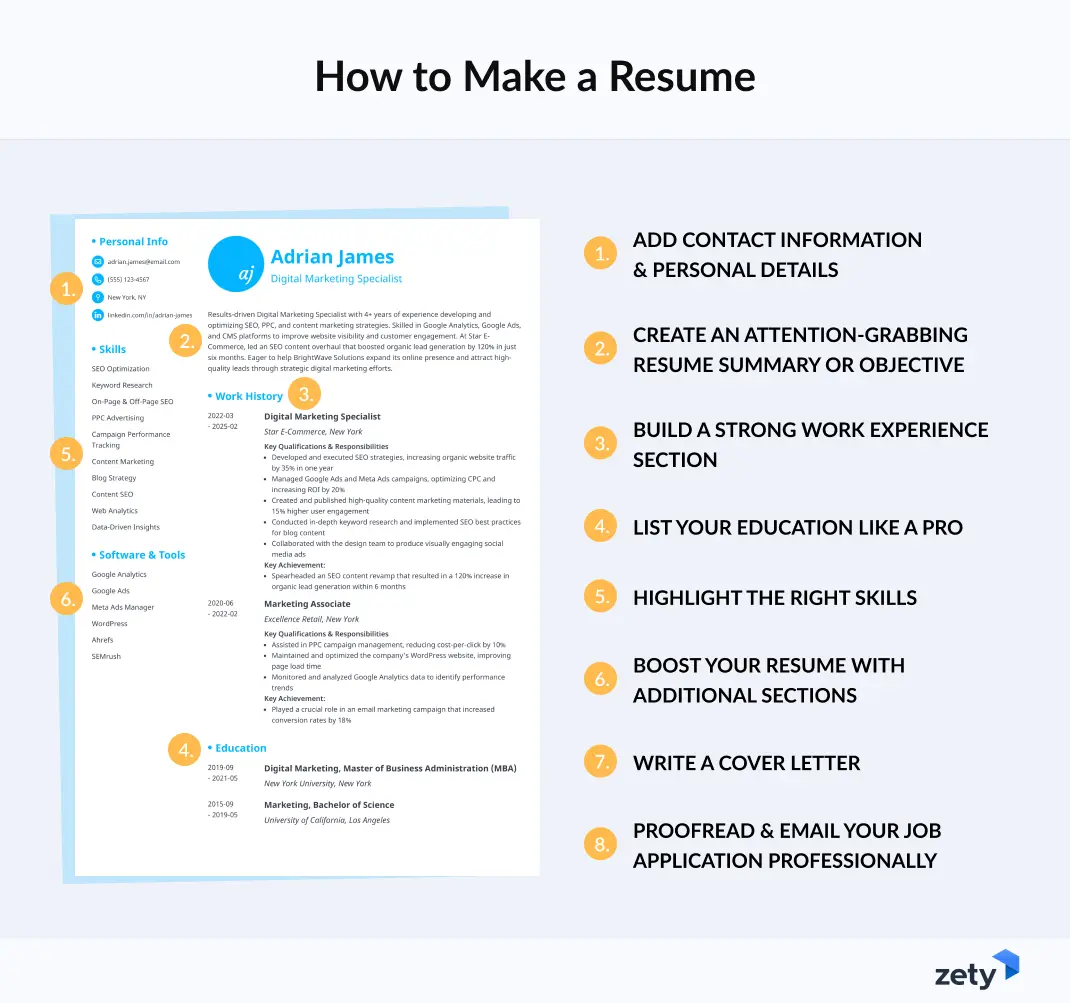
Start with a strong header that includes your name, contact information, and professional links such as LinkedIn or a portfolio website. This should be clean and easy to read, making it simple for employers to reach you.
Next comes your professional summary. This is a short paragraph at the top of your resume that highlights who you are, what you do, and what you bring to the table. Instead of writing a generic objective, focus on your strengths and key achievements. For example, instead of saying “seeking a challenging role,” you might highlight your experience in increasing sales, managing projects, or developing software.
The experience section is the core of your resume. List your work history in reverse chronological order, starting with your most recent role. For each position, include your job title, company name, and duration, followed by bullet points that describe your responsibilities and achievements.
The key here is to focus on results rather than tasks. Instead of simply stating what you did, explain what you achieved. For example, “managed social media accounts” is less impactful than “increased social media engagement by 40% in six months.” Numbers and measurable outcomes make your contributions more credible and impressive.
Your skills section should highlight both technical and soft skills relevant to the job. Tailor this section to match the requirements of the role you’re applying for. Avoid listing too many generic skills—focus on those that truly set you apart.
Education and certifications come next. Even if you don’t have a degree, you can include relevant courses, certifications, or training programs that demonstrate your knowledge and commitment to learning.
Finally, keep your resume concise. Ideally, it should be one page for early-career professionals and no more than two pages for experienced candidates. Use clear headings, consistent formatting, and enough white space to make it easy to read.
Writing Content That Grabs Attention and Shows Value
A well-structured resume is important, but the content is what truly makes it powerful. The way you describe your experience and achievements can determine whether a recruiter sees you as a strong candidate.
One of the most effective techniques is using action verbs. Words like “led,” “developed,” “implemented,” and “achieved” create a sense of impact and initiative. They make your resume more dynamic and engaging.
Quantifying your achievements is another critical factor. Whenever possible, include numbers, percentages, or specific outcomes. This could be revenue growth, cost savings, project completion times, or customer satisfaction improvements. Numbers provide concrete evidence of your capabilities.
Tailoring your resume for each job application is essential. Many companies use Applicant Tracking Systems (ATS) to filter resumes based on keywords. By including relevant keywords from the job description, you increase your chances of passing these filters and reaching a human recruiter.
Avoid generic statements that could apply to anyone. Instead, focus on what makes you unique. Highlight specific projects, challenges you’ve overcome, or skills you’ve developed. This helps create a narrative that sets you apart from other candidates.
If you have limited work experience, focus on transferable skills. Internships, freelance work, volunteer activities, and personal projects can all demonstrate your abilities. For example, managing a personal blog can showcase writing, marketing, and consistency.
Clarity is more important than complexity. Avoid using overly technical jargon or long, complicated sentences. Your resume should be easy to understand, even for someone who is not an expert in your field.
Consistency in formatting and language also matters. Use the same tense throughout (past tense for previous roles, present tense for current roles) and maintain a uniform style for bullet points and headings.
Finally, proofread your resume carefully. Spelling or grammatical errors can create a negative impression and reduce your chances of being considered. A clean, error-free resume reflects attention to detail and professionalism.
Optimizing Your Resume for Modern Hiring Trends
The hiring process has changed significantly, and your resume needs to adapt to modern trends. In 2026, digital tools and online presence play a major role in how candidates are evaluated.
One of the most important aspects is ATS optimization. As mentioned earlier, many companies use software to scan resumes before they are reviewed by humans. To optimize your resume, use standard fonts, avoid complex graphics, and include relevant keywords naturally within your content.
Your online presence is also an extension of your resume. Recruiters often check LinkedIn profiles, portfolios, or personal websites to learn more about candidates. Ensure that your online profiles are consistent with your resume and highlight your achievements effectively.
Adding links to your work can make a strong impression. For example, designers can include portfolio links, developers can share GitHub repositories, and writers can link to published articles. This provides tangible proof of your skills.
Another trend is the increasing importance of personal branding. Your resume should reflect not just your experience but also your professional identity. Think about how you want to position yourself—whether as a problem solver, a creative professional, or a technical expert—and align your resume accordingly.
Soft skills are gaining more attention as well. Employers are looking for candidates who can collaborate, communicate, and adapt to changing environments. Highlighting these skills through examples can strengthen your application.
Remote work has also influenced resume expectations. Demonstrating your ability to work independently, manage time effectively, and use digital tools can be a significant advantage.
Keeping your resume updated is crucial. Even if you’re not actively job hunting, regularly adding new skills, achievements, and experiences ensures that you’re always prepared for opportunities.
Feedback can also help improve your resume. Sharing it with mentors, peers, or professionals in your field can provide valuable insights and suggestions for improvement.
A powerful resume is not about perfection—it’s about clarity, relevance, and impact. It should tell a compelling story about who you are, what you’ve achieved, and what you can offer to an employer.
By focusing on structure, writing strong content, and adapting to modern hiring trends, you can create a resume that stands out in a crowded job market. The effort you invest in building your resume can significantly increase your chances of getting interviews and securing the job you want.
In a world where opportunities are competitive, your resume is your gateway. Making it strong, focused, and results-driven can open doors and set the foundation for your career growth.