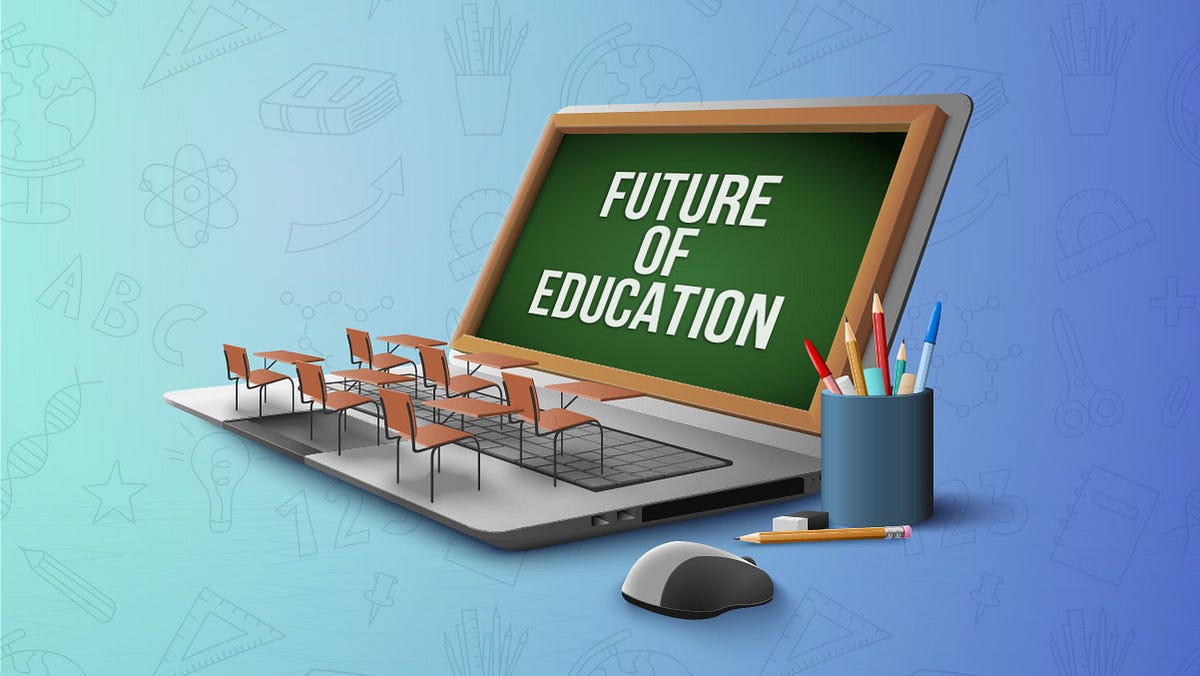
Education is undergoing one of the most significant transformations in history. In 2026, technology is not just supporting learning—it is redefining how knowledge is delivered, accessed, and experienced. Classrooms are no longer limited to physical spaces, textbooks are being replaced by interactive content, and learning is becoming more personalized than ever before.
This shift is driven by rapid advancements in digital tools, artificial intelligence, and global connectivity. Students today have access to resources that were unimaginable just a decade ago. At the same time, educators are adapting to new methods that focus on engagement, flexibility, and real-world application.
The future of education is not about replacing traditional systems entirely, but about enhancing them. Technology is creating a more inclusive, efficient, and dynamic learning environment that can cater to diverse needs and learning styles.
Personalized Learning and the Role of Artificial Intelligence
One of the most impactful changes in education is the rise of personalized learning. Traditional classrooms often follow a one-size-fits-all approach, where every student is expected to learn at the same pace. Technology is changing this by allowing learning experiences to be tailored to individual needs.
Artificial Intelligence (AI) plays a central role in this transformation. AI-powered platforms can analyze a student’s performance, identify strengths and weaknesses, and adjust content accordingly. This means that students who struggle with certain topics can receive additional support, while those who excel can move ahead without being held back.
Adaptive learning systems are becoming more common, offering customized lessons, quizzes, and feedback. These systems create a more efficient learning process, as students spend time focusing on areas that need improvement rather than revisiting concepts they already understand.
AI is also assisting educators. Teachers can use data insights to understand student progress, identify learning gaps, and design more effective lesson plans. This reduces administrative workload and allows educators to focus more on teaching and mentoring.
Another important aspect is the use of intelligent tutoring systems. These tools provide instant assistance, answer questions, and guide students through complex topics. While they do not replace human teachers, they act as valuable supplements that enhance the learning experience.
Language translation and accessibility tools powered by AI are also breaking barriers. Students from different linguistic backgrounds can access the same content, making education more inclusive on a global scale.
However, the use of AI in education also raises questions about data privacy, fairness, and the role of human interaction. Balancing technology with human guidance will be essential to ensure a well-rounded learning experience.
Digital Classrooms, Online Learning, and Global Access
The concept of a classroom has expanded far beyond physical boundaries. Online learning platforms, virtual classrooms, and digital resources have made education accessible to anyone with an internet connection.
In 2026, hybrid learning models are becoming the norm. Students can attend classes in person while also accessing digital content for revision and self-paced learning. This combination offers flexibility and ensures continuity in different situations.
Virtual classrooms enable real-time interaction between students and teachers, regardless of location. Video conferencing, collaborative tools, and shared digital workspaces allow for interactive and engaging sessions. Students can participate in discussions, ask questions, and work on group projects just as they would in a physical classroom.
Massive Open Online Courses (MOOCs) and e-learning platforms are providing access to high-quality education from top institutions. Students can learn from experts around the world, often at little or no cost. This democratization of education is reducing barriers and creating new opportunities for learners.
Digital content is also evolving. Instead of static textbooks, students now use interactive materials that include videos, simulations, and quizzes. These formats make learning more engaging and help improve understanding and retention.
Gamification is another trend gaining traction. By incorporating elements like rewards, challenges, and progress tracking, educational platforms make learning more enjoyable and motivating. This approach is particularly effective for younger students and those who struggle with traditional methods.
Global access to education is one of the most significant benefits of technology. Students in remote or underserved areas can now access the same resources as those in major cities. This has the potential to reduce educational inequality and create a more level playing field.
Despite these advancements, challenges such as internet access, digital literacy, and screen fatigue need to be addressed. Ensuring that technology is accessible and used effectively is crucial for maximizing its benefits.
Skills-Based Learning, Emerging Technologies, and the Road Ahead
The future of education is increasingly focused on skills rather than just theoretical knowledge. Employers are looking for individuals who can apply what they learn in real-world situations, and education systems are adapting to meet this demand.
Project-based learning is becoming more common, where students work on practical tasks that simulate real-world challenges. This approach helps develop critical thinking, problem-solving, and collaboration skills.
Emerging technologies like Virtual Reality (VR) and Augmented Reality (AR) are transforming how subjects are taught. Students can explore historical sites, conduct virtual science experiments, or practice medical procedures in a simulated environment. These immersive experiences make learning more engaging and memorable.
The integration of coding, digital literacy, and technology skills into curricula is also becoming standard. As the world becomes more digital, these skills are essential for future careers.
Another important trend is lifelong learning. Education is no longer limited to a specific phase of life. Professionals are continuously updating their skills through online courses, certifications, and training programs. This shift reflects the need to adapt to a rapidly changing job market.
Collaboration and communication are also gaining importance. Technology enables students to work with peers from different parts of the world, exposing them to diverse perspectives and ideas. This prepares them for global work environments.
Assessment methods are evolving as well. Instead of relying solely on traditional exams, educators are using continuous evaluation, project work, and skill-based assessments. This provides a more accurate picture of a student’s abilities.
As education continues to evolve, the role of teachers is also changing. They are no longer just sources of information but facilitators of learning. Their focus is on guiding students, fostering curiosity, and helping them develop essential skills.
The future of education is being shaped by technology in ways that make learning more accessible, personalized, and practical. While challenges remain, the overall direction is toward a system that better meets the needs of students and society.
Technology is not replacing education—it is enhancing it. By combining digital tools with human guidance, the learning experience becomes richer and more effective.
As these changes continue, students, educators, and institutions must adapt and embrace new approaches. Those who do will be better prepared for a world where knowledge is constantly evolving and learning never truly stops.