Graduating from college is a major milestone, but it’s often just the beginning of a much larger journey. In 2026, a degree alone is rarely enough to stand out in a competitive job market. Employers are increasingly looking for candidates who possess practical skills, industry knowledge, and the ability to adapt quickly to changing demands.
This is where additional courses play a crucial role. The right course can help you bridge the gap between academic learning and real-world expectations. It can strengthen your resume, improve your confidence, and open doors to better job opportunities. Whether you want to enter the workforce, switch careers, or pursue higher-paying roles, choosing the right course can significantly accelerate your growth.
The key is to focus on courses that are relevant, skill-oriented, and aligned with current industry trends.
High-Demand Technical and Digital Courses
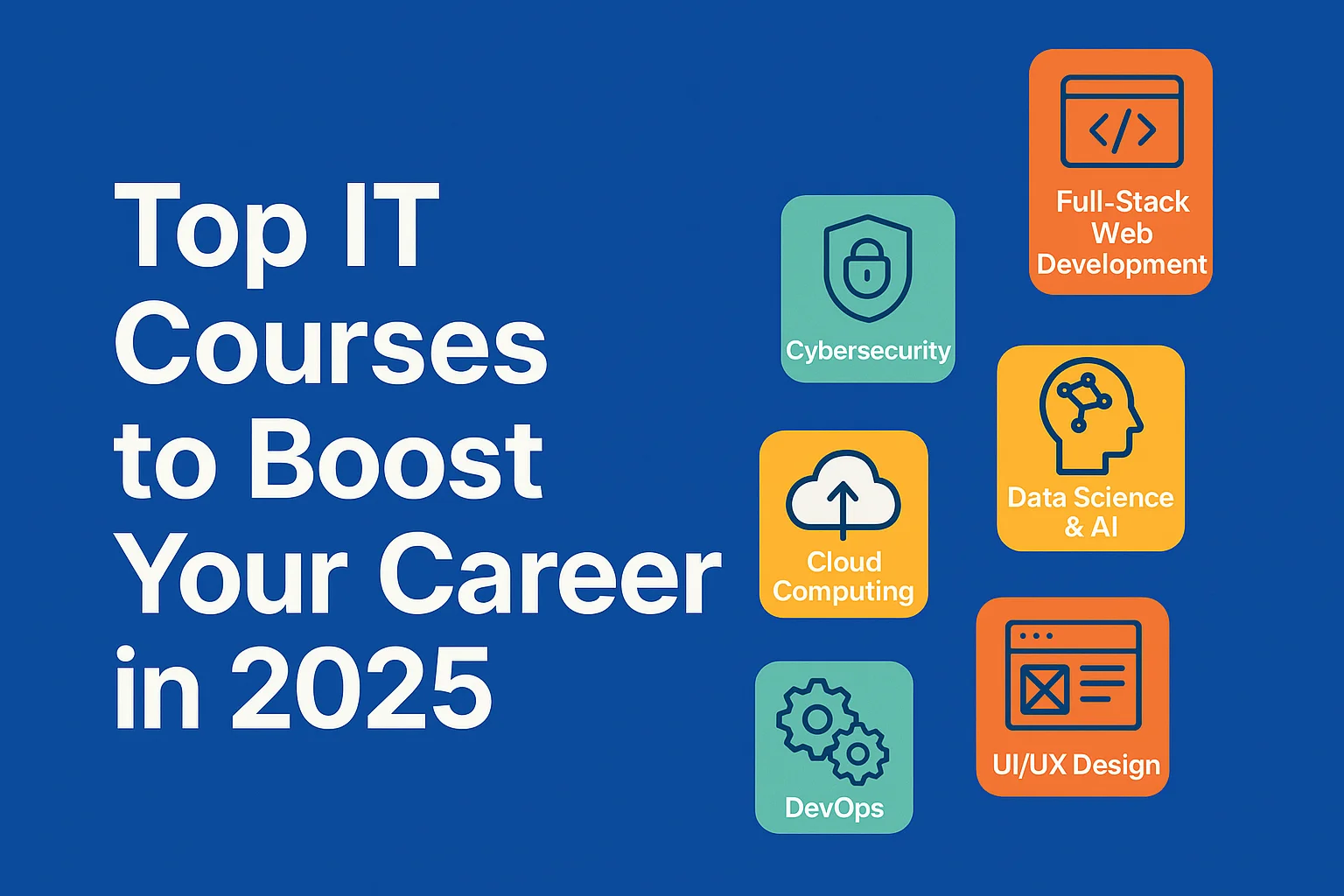
Technology continues to dominate the job market, making technical and digital courses some of the most valuable options after graduation. One of the most in-demand areas is data science and analytics. Businesses rely heavily on data to make decisions, and professionals who can analyze and interpret data are highly sought after. Courses in Python, SQL, data visualization, and machine learning can open up roles in analytics, business intelligence, and AI.
Artificial Intelligence and Machine Learning courses are also gaining popularity. These programs teach you how to build intelligent systems, work with algorithms, and solve complex problems. Even a foundational understanding of AI can give you an edge in various industries, not just tech.
Web development is another strong option. Learning front-end and back-end development allows you to create websites and applications, making you valuable in the digital economy. Skills in HTML, CSS, JavaScript, and frameworks like React or Node.js are highly востребованы.
Cybersecurity courses are becoming increasingly important as digital threats grow. Learning how to protect systems, networks, and data can lead to high-paying roles in security analysis and risk management.
Cloud computing is also a key area. Businesses are moving their operations to cloud platforms, creating demand for professionals who understand cloud architecture and services. Courses in platforms like AWS, Azure, or Google Cloud can significantly enhance your career prospects.
Digital marketing is another valuable field. Courses in SEO, social media marketing, content creation, and paid advertising can help you build a career in marketing or grow your own business. This field is particularly attractive because it combines creativity with measurable results.
These technical and digital courses are not only in demand but also offer flexibility. Many can be learned online, allowing you to study at your own pace while gaining practical skills.
Business, Finance, and Management Courses
While technical skills are important, business and management knowledge can also play a significant role in career growth. These courses help you understand how organizations operate and prepare you for leadership roles.
MBA (Master of Business Administration) programs remain a popular choice for graduates who want to move into management positions. However, shorter certification courses in business management, leadership, or entrepreneurship can also provide valuable insights without the time and cost of a full degree.
Finance-related courses are highly valuable, especially for roles in banking, investment, and corporate finance. Certifications in financial analysis, accounting, or investment management can lead to well-paying opportunities. Courses that teach budgeting, financial planning, and risk management are also useful for personal and professional growth.
Project management is another important area. Courses in project management teach you how to plan, execute, and manage projects efficiently. Certifications like PMP or Agile methodologies are recognized globally and can open doors to leadership roles.
Entrepreneurship courses are ideal for those who want to start their own business. These programs cover topics such as business planning, marketing strategies, and financial management. Even if you don’t start a business immediately, these skills can be valuable in any career.
Communication and soft skills courses are often overlooked but are essential for success. Skills like public speaking, negotiation, and teamwork can significantly improve your career prospects. Employers value individuals who can communicate effectively and work well with others.
These courses help you develop a broader understanding of the professional world, making you more versatile and capable of handling different roles.
Choosing the Right Course and Building a Career Strategy
With so many options available, choosing the right course can be challenging. The first step is to identify your career goals. Think about the industry you want to enter, the role you aspire to, and the skills required to get there.
Research is crucial. Look at job descriptions, industry trends, and required qualifications. This will help you understand which courses are most relevant and in demand. Talking to professionals in your field or seeking guidance from mentors can also provide valuable insights.
Practical learning should be a priority. Courses that include projects, case studies, or real-world applications are more valuable than those focused only on theory. Hands-on experience helps you build confidence and demonstrate your skills to employers.
Time and budget are also important considerations. Some courses require significant investment, while others are more affordable or even free. Choose a course that fits your resources without compromising on quality.
Online learning has made it easier than ever to access high-quality education. Many platforms offer flexible schedules, allowing you to learn while working or pursuing other commitments. This flexibility is especially beneficial for recent graduates.
Building a portfolio is another important step. Whether it’s coding projects, marketing campaigns, or design work, showcasing your skills can make a strong impression on employers. A well-crafted portfolio often carries more weight than certificates alone.
Networking can also enhance your career prospects. Engaging with peers, instructors, and industry professionals can lead to job opportunities and collaborations. Many courses offer community forums or networking events that can be beneficial.
Continuous learning is essential in today’s fast-changing world. Even after completing a course, staying updated with new trends and technologies is important. This mindset of lifelong learning can help you remain competitive and adaptable.
Choosing the right courses after graduation can significantly impact your career trajectory. Whether you focus on technical skills, business knowledge, or creative abilities, the goal is to build a strong foundation that aligns with your aspirations.
The most successful professionals are those who take initiative, invest in their growth, and continuously adapt to changing demands. Courses are not just about gaining knowledge—they are about building confidence, expanding opportunities, and preparing for the future.
In a competitive job market, the right skills can set you apart. By making thoughtful choices and committing to learning, you can create a path that leads to long-term success and fulfillment.