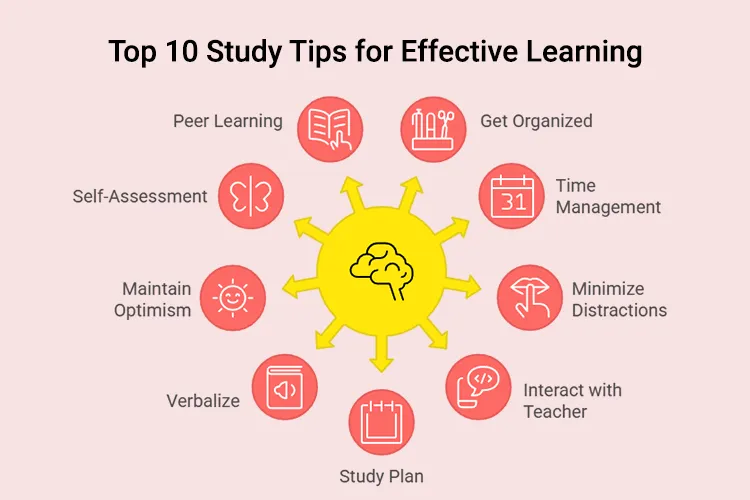
Studying effectively is not about spending long hours with your books—it’s about using the right strategies to understand, retain, and apply information. In 2026, with constant distractions and overwhelming amounts of information, students need smarter approaches rather than harder effort. Many people struggle not because they lack ability, but because they rely on inefficient study habits like passive reading or last-minute cramming.
Effective studying is a skill that can be learned and improved over time. By using proven techniques and understanding how the brain processes information, you can make your study sessions more productive and less stressful. The goal is not just to pass exams, but to truly understand and remember what you learn.
Understanding How Learning Works and Why Methods Matter
To study effectively, it helps to understand how learning actually works. The brain does not retain information simply by exposure. Instead, it requires active engagement, repetition, and meaningful connections. This is why reading the same page multiple times often doesn’t work—it creates familiarity, not understanding.
One of the most important concepts in learning is active recall. This involves actively trying to remember information without looking at your notes. For example, instead of rereading a chapter, you can close your book and write down what you remember. This process strengthens memory and helps identify gaps in your understanding.
Another key principle is spaced repetition. Instead of studying a topic once for a long period, you review it multiple times over increasing intervals. This helps move information from short-term memory to long-term memory. Many students make the mistake of cramming before exams, which leads to quick forgetting.
Understanding also improves when you connect new information to what you already know. This is called elaboration. For example, if you’re learning a new concept, try to explain it in your own words or relate it to real-life examples. This makes the information more meaningful and easier to remember.
The environment in which you study also plays a role. A quiet, organized space with minimal distractions can improve focus and productivity. However, some variation in environment can also help with memory retention, as it prevents your brain from associating learning with only one context.
Motivation and mindset are equally important. Studying with a clear goal—whether it’s mastering a subject or achieving a specific grade—can improve focus and consistency. A positive mindset helps you stay persistent, even when the material is challenging.
Understanding these principles is the foundation of effective studying. Once you know how learning works, you can apply techniques that align with these processes.
Proven Study Techniques That Improve Focus and Retention
There are several study techniques that have been proven to work across different subjects and learning styles. One of the most effective is the Pomodoro Technique. This involves studying for a focused period, usually 25 minutes, followed by a short break. This method helps maintain concentration and prevents burnout.
Active recall, as mentioned earlier, is one of the most powerful techniques. You can use flashcards, practice questions, or self-quizzing to test your knowledge. The key is to challenge your memory rather than passively reviewing information.
Spaced repetition works best when combined with tools like flashcard apps or revision schedules. By revisiting material at regular intervals, you reinforce learning and reduce the chances of forgetting.
Another useful method is the Feynman Technique. This involves explaining a concept as if you are teaching it to someone else. If you can explain it clearly and simply, it means you truly understand it. If not, it highlights areas where you need to improve.
Note-taking is also an important part of studying, but it should be done effectively. Instead of copying everything, focus on summarizing key points in your own words. Methods like the Cornell Note System can help organize information and make revision easier.
Practice testing is another highly effective strategy. Solving past papers, quizzes, or mock tests helps you apply what you’ve learned and prepares you for real exam conditions. It also reduces anxiety by making you familiar with the format and types of questions.
Breaking down complex topics into smaller parts can make studying more manageable. This approach, often called chunking, helps you focus on one concept at a time and gradually build a deeper understanding.
Group study can be beneficial if done correctly. Discussing topics with others can provide new perspectives and clarify doubts. However, it’s important to stay focused and avoid turning it into a social activity.
Managing distractions is crucial in today’s digital world. Keeping your phone away, using website blockers, or setting specific study times can help maintain focus. Even small distractions can significantly reduce productivity.
Consistency is what makes these techniques effective. Using them regularly creates a routine that improves both efficiency and confidence over time.
Building a Sustainable Study Routine for Long-Term Success
Effective studying is not just about techniques—it’s about creating a system that works for you in the long run. A well-structured study routine can help you stay organized, reduce stress, and achieve better results.
Start by setting clear goals. These can be short-term goals, such as completing a chapter, or long-term goals, such as preparing for an exam. Having a clear direction helps you stay focused and motivated.
Planning your study schedule is essential. Allocate specific time slots for different subjects and include breaks to avoid fatigue. A balanced schedule ensures that you cover all topics without feeling overwhelmed.
Prioritization is another important aspect. Focus on the most important or challenging topics first, when your energy and concentration levels are highest. This ensures that you make the most of your study time.
Rest and sleep are often overlooked but are critical for effective learning. Sleep helps consolidate memory and improves cognitive function. Studying for long hours without proper rest can actually reduce productivity and retention.
Physical health also plays a role in studying. Regular exercise, a balanced diet, and staying hydrated can improve focus and energy levels. A healthy body supports a healthy mind.
Tracking your progress can help you stay motivated. Keeping a record of what you’ve studied and what you’ve achieved provides a sense of accomplishment and helps identify areas that need improvement.
Flexibility is important as well. Not every study plan will work perfectly, and it’s okay to adjust your approach based on what works best for you. Experimenting with different techniques can help you find the most effective methods.
Avoiding burnout is crucial for long-term success. Taking breaks, engaging in hobbies, and maintaining a balance between study and personal life can keep you motivated and prevent exhaustion.
Self-reflection is another valuable practice. Regularly evaluating your study habits and results can help you identify what’s working and what needs to change. This continuous improvement is key to becoming a more effective learner.
Studying effectively is not about working harder—it’s about working smarter. By understanding how learning works, applying proven techniques, and building a sustainable routine, you can improve both your performance and your confidence.
The journey of learning is different for everyone, but the principles remain the same. Consistency, active engagement, and a willingness to adapt are the keys to success.
With the right approach, studying can become less stressful and more rewarding, helping you achieve your academic goals and develop skills that will benefit you throughout your life.