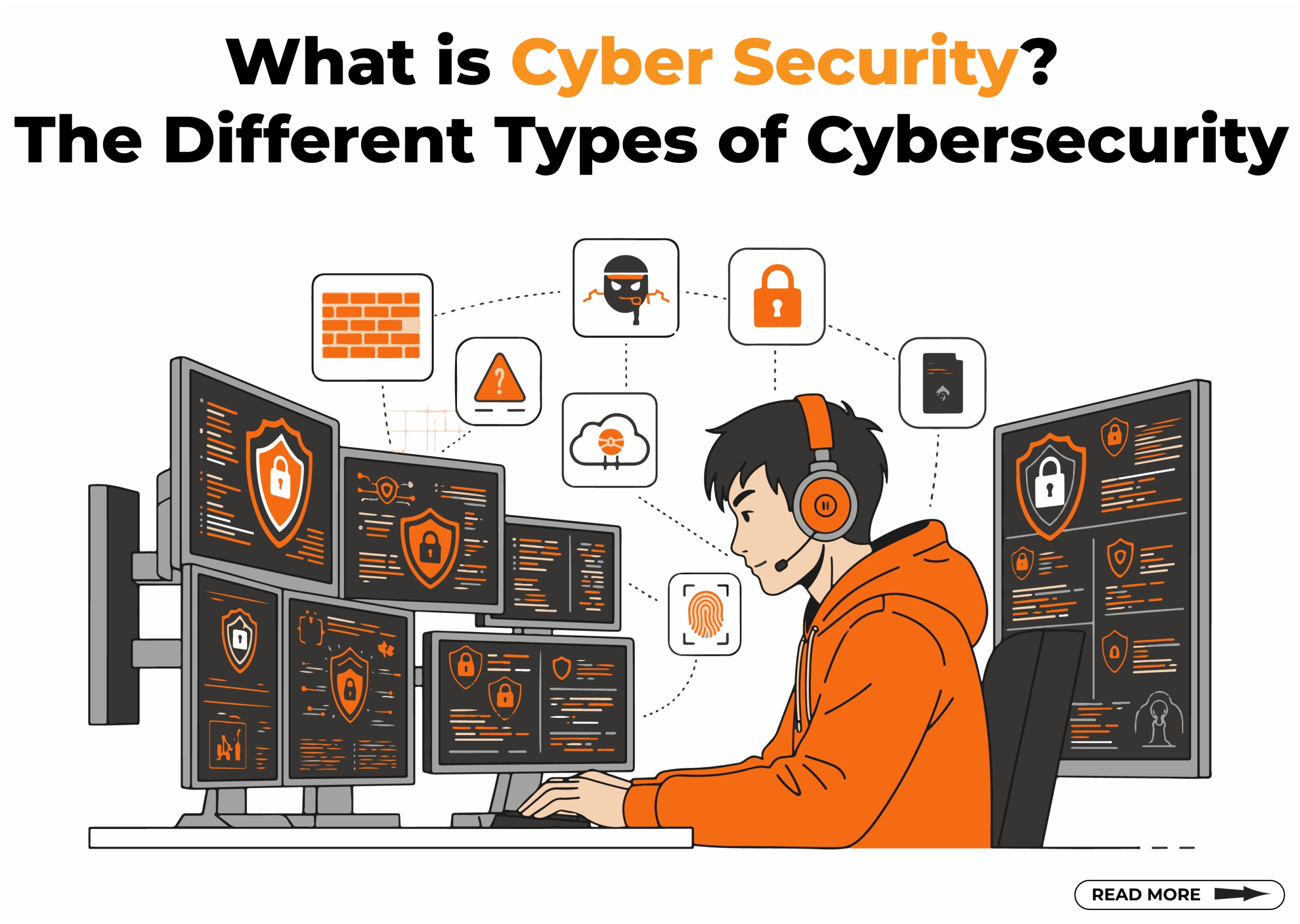
In today’s digital world, cybersecurity is no longer just a concern for large companies or IT professionals—it’s something everyone needs to understand. From online banking and shopping to social media and remote work, our daily lives are deeply connected to the internet. While this brings convenience, it also exposes us to risks such as hacking, data theft, and online fraud.
Cybercriminals are becoming more sophisticated, using advanced techniques to exploit vulnerabilities and trick users. The good news is that you don’t need to be a technical expert to protect yourself. With a basic understanding of cybersecurity principles and some smart habits, you can significantly reduce your risk and stay safe online.
Understanding Cyber Threats and How They Work
Before you can protect yourself, it’s important to understand the types of threats that exist. Cyber threats come in many forms, and most attacks rely on either exploiting technical weaknesses or manipulating human behavior.
One of the most common threats is phishing. This involves attackers sending fake emails, messages, or websites that appear legitimate in order to trick users into revealing sensitive information such as passwords or credit card details. These attacks often create a sense of urgency, prompting users to act quickly without thinking.
Malware is another major concern. This includes viruses, ransomware, spyware, and other malicious software designed to damage systems or steal data. Malware can enter your device through infected downloads, email attachments, or compromised websites. Once installed, it can operate silently, collecting information or disrupting your system.
Password attacks are also widespread. Weak or reused passwords make it easy for attackers to gain access to multiple accounts. Techniques such as brute force attacks and credential stuffing allow hackers to test large numbers of password combinations until they find the correct one.
Public Wi-Fi networks can also pose risks. While convenient, these networks are often unsecured, making it easier for attackers to intercept data. This means that sensitive activities like online banking or logging into important accounts should be avoided on public networks.
Social engineering is another powerful tactic used by cybercriminals. Instead of hacking systems directly, attackers manipulate people into sharing confidential information. This could involve impersonating a trusted individual or organization to gain access to sensitive data.
Understanding these threats is the first step toward staying safe. Once you recognize how attacks work, you’re less likely to fall victim to them.
Essential Cybersecurity Practices for Everyday Users
Protecting yourself online doesn’t require complex tools or advanced knowledge. By following a few essential practices, you can greatly improve your digital security.
One of the most important steps is creating strong, unique passwords for each account. A good password should be long, include a mix of letters, numbers, and symbols, and avoid easily guessable information like names or birthdays. Using a password manager can help you store and manage multiple passwords securely.
Two-factor authentication (2FA) adds an extra layer of protection. Even if someone manages to obtain your password, they won’t be able to access your account without a second verification step, such as a code sent to your phone. Enabling 2FA on important accounts like email, banking, and social media is highly recommended.
Keeping your software updated is another crucial practice. Updates often include security patches that fix vulnerabilities. Ignoring updates can leave your devices exposed to known threats. This applies to your operating system, apps, antivirus software, and even your web browser.
Being cautious with emails and links is also essential. Avoid clicking on suspicious links or downloading attachments from unknown sources. Always verify the sender’s identity, especially if the message requests sensitive information or urgent action.
Using secure networks is another key aspect of cybersecurity. When possible, avoid using public Wi-Fi for sensitive activities. If you must use it, consider using a Virtual Private Network (VPN) to encrypt your data and protect your privacy.
Regular backups can save you from major losses, especially in the case of ransomware attacks. By keeping copies of your important files on external drives or cloud storage, you can recover your data even if your system is compromised.
Antivirus and anti-malware software also play an important role in detecting and removing threats. While they are not foolproof, they provide an additional layer of defense against common attacks.
Developing these habits may take some effort initially, but they quickly become second nature. Over time, they significantly reduce your risk of falling victim to cyber threats.
The Future of Cybersecurity and Why Awareness Matters
As technology continues to evolve, so do cyber threats. The rise of artificial intelligence, smart devices, and interconnected systems is creating new opportunities for both innovation and exploitation. This makes cybersecurity more important than ever.
One of the biggest trends is the increasing use of AI in both defense and attacks. Security systems are using AI to detect unusual behavior, identify threats, and respond in real time. At the same time, cybercriminals are using AI to create more convincing phishing messages and automate attacks. This ongoing battle between attackers and defenders is shaping the future of cybersecurity.
The growth of the Internet of Things (IoT) is another factor. Smart devices such as home assistants, cameras, and wearable gadgets are becoming more common. While these devices offer convenience, they also introduce new vulnerabilities. Many IoT devices have limited security features, making them potential entry points for attackers.
Data privacy is also becoming a major concern. With so much personal information being shared online, protecting that data is critical. Governments and organizations are introducing regulations to ensure better data protection, but users also need to take responsibility for their own privacy.
Cybersecurity is no longer just a technical issue—it’s a shared responsibility. Individuals, businesses, and governments all play a role in creating a safer digital environment. Awareness and education are key to achieving this goal.
For beginners, the most important thing is to stay informed and remain cautious. Cyber threats are constantly evolving, but so are the tools and strategies to combat them. By keeping up with basic security practices and being mindful of potential risks, you can navigate the digital world with confidence.
Cybersecurity doesn’t have to be overwhelming. With the right knowledge and habits, anyone can protect themselves from most common threats. It’s about being proactive, staying alert, and making smart choices online.
As digital technology becomes even more integrated into daily life, the importance of cybersecurity will only continue to grow. Those who understand its basics and apply them consistently will be far better prepared to face the challenges of the digital age.