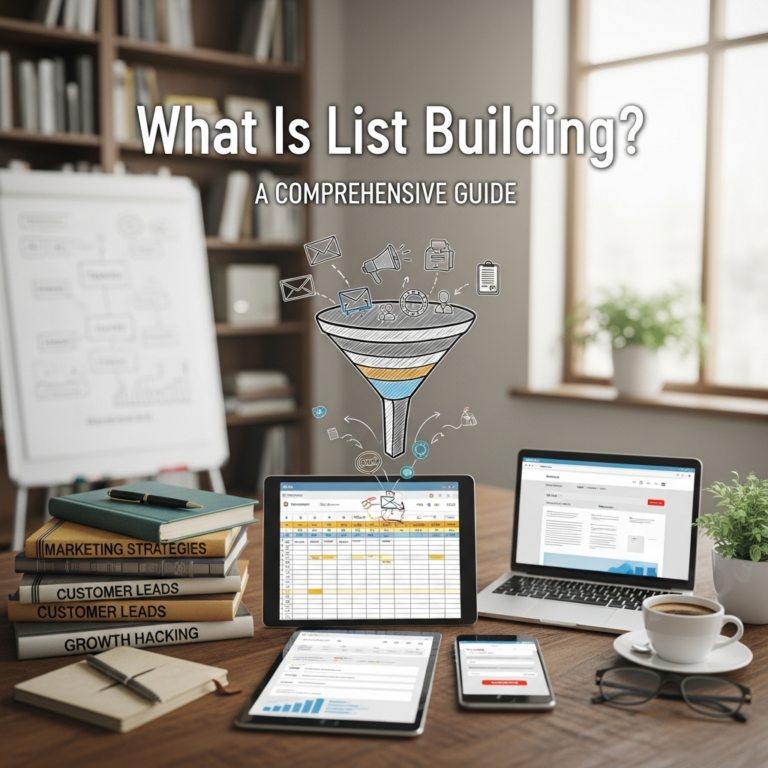
What Is Welcome Series? A Comprehensive Guide
What Is a Welcome Series? A Comprehensive Guide to Email Automation Success
In the digital marketing landscape, first impressions are not just important; they are everything. When a new subscriber joins your email list, they are at their peak level of interest in your brand. This is the “honeymoon phase” of the customer journey.
To capitalize on this momentum, professional marketers utilize a strategic tool known as a Welcome Series. But what exactly is it, and why is it considered the backbone of successful email marketing? In this comprehensive guide, you will learn everything from the basic definition to advanced implementation strategies.
Defining the Welcome Series: More Than Just a Greeting
A Welcome Series is a sequence of automated emails sent to new subscribers immediately after they opt-in to your mailing list. Unlike a single welcome email, which is a one-off transaction, a series is a multi-step onboarding process designed to introduce your brand, deliver value, and nudge the subscriber toward a specific action.
Think of it as a digital handshake. While a single email says “Hello,” a series starts a conversation, builds rapport, and sets the stage for a long-term relationship. It is the first major touchpoint in your automation workflow.
How It Differs from a Single Welcome Email
Many beginners confuse a single “Thank You” email with a full series. A single email often gets lost in a crowded inbox or fails to provide enough context about your brand. A series, typically consisting of three to five emails, allows you to space out your information, preventing “information overload” while keeping your brand top-of-mind for several days.
Why Your Business Needs a Welcome Series (The Benefits)
If you are not using an automated welcome series, you are leaving money on the table. Statistics consistently show that welcome emails have the highest open rates of any marketing email—often exceeding 80%. Here is why this strategy is vital for your growth:
1. Building Brand Awareness and Trust
New subscribers may have found you through a random search or a social media ad. They might not fully understand what you do. A series allows you to tell your story, share your mission, and demonstrate your expertise, which builds essential brand awareness.
2. Boosting Engagement and Retention
By providing immediate value—such as a discount code, a free ebook, or helpful tips—you train your subscribers to look forward to your emails. This early engagement significantly reduces the likelihood of them unsubscribing later, improving your long-term retention rates.
3. Driving Immediate Conversions
A well-crafted series guides the subscriber toward their first purchase. Whether it is a “first-time buyer” discount or a showcase of your best-selling products, the welcome series is a powerful engine for increasing your conversion rate.
4. Setting Expectations
You can use these emails to tell subscribers how often they will hear from you and what kind of content you will send. This transparency builds subscriber loyalty and helps maintain a healthy sender reputation with email providers.
The Core Components of an Effective Welcome Series
Before you start writing, you must understand the “anatomy” of a high-performing email sequence. Every email in your drip campaign should contain these elements:
- Compelling Subject Lines: This is your only chance to get the email opened. Use curiosity, benefit-driven language, or a clear offer.
- Personalization: Beyond just using a name, use segmentation to tailor content based on how the user signed up.
- Clear Call to Action (CTA): Every email must have one primary goal. Do not confuse the reader with too many buttons.
- Mobile Optimization: Most users read emails on their phones. Ensure your layout is responsive and easy to read on small screens.
Step-by-Step Guide: How to Create Your Own Welcome Series
Building an automated sequence might seem daunting, but by following these steps, you can create a professional system that works while you sleep.
Step 1: Define Your Primary Goal
What do you want the subscriber to do by the end of the series? Common goals include making a first purchase, booking a consultation, or following your brand on social media. Having a clear CTA strategy is the foundation of success.
Step 2: Choose Your Email Service Provider (ESP)
To run a series, you need an ESP that supports automation. Platforms like Mailchimp, Klaviyo, or ActiveCampaign allow you to set “triggers” so that the moment someone joins your list, the first email is sent automatically.
Step 3: Map Out the Sequence Timeline
A standard 3-email sequence often looks like this:
- Email 1 (Immediate): Delivery of the “lead magnet” or discount and a warm welcome.
- Email 2 (24-48 Hours later): Educational content or a “Why Us” story to build authority.
- Email 3 (3-4 Days later): A soft sell or a showcase of popular products/services.
Step 4: Craft Content with a Focus on Value
Avoid being too “salesy” immediately. Focus on solving a problem for your subscriber. Use bolding for key points and keep paragraphs short to improve readability. Remember, you are building a relationship, not just asking for a credit card number.
Step 5: Test and Optimize
Once your series is live, monitor the data. Look at your open rates and click-through rates (CTR). If Email 2 has a low open rate, try changing the subject line. Continuous optimization is the key to conversion rate growth.
The Anatomy of a 3-Part Welcome Sequence
To give you a better idea of how to structure your content, let’s look at what each specific email should accomplish.
Email 1: The Delivery and Introduction
This email must be sent the second someone hits “subscribe.” Its purpose is to fulfill your promise. If you promised a 10% discount, give it here. Keep the tone enthusiastic and welcoming. This is where you establish your brand awareness.
Email 2: Delivering Value and Authority
Don’t ask for a sale yet. Instead, provide something useful. This could be a “How-to” guide, a list of resources, or a testimonial from a happy customer. You are proving that you are an expert in your field and that your emails are worth reading.
Email 3: The Soft Sell and Social Proof
Now that you have built trust, you can nudge the user toward a transaction. Highlight your most popular products or services. Use social proof, such as reviews or case studies, to show the value you provide to others. Include a clear CTA that directs them to your shop or booking page.
Welcome Series Best Practices from SEO & Marketing Experts
To ensure your welcome series stands out in a crowded inbox, consider these expert tips:
- Use a “From” Name People Recognize: Instead of using just your company name, try “John from [Company Name]” to make it feel more personal.
- Ask a Question: Encourage subscribers to hit “reply.” This not only builds a connection but also tells email filters that your content is valuable, improving deliverability.
- Keep Branding Consistent: The design of your emails should match your website. Consistency builds trust.
- Don’t Overwhelm: Stick to one main idea per email. If you try to say too much, the subscriber will likely do nothing.
Common Mistakes to Avoid
Even seasoned marketers make mistakes. Avoid these pitfalls to keep your automation effective:
1. Waiting too long to send the first email: If you wait 24 hours to send the first email, the subscriber might have already forgotten who you are. Speed is essential.
2. Neglecting the Unsubscribe Link: It is legally required and helps keep your list clean. You only want people who are genuinely interested in your content.
3. Forgetting to Test on Mobile: Over 50% of emails are opened on mobile devices. If your email looks broken on a phone, you lose engagement immediately.
Measuring Success: Key Metrics to Track
How do you know if your welcome series is actually working? You must track these specific KPIs (Key Performance Indicators):
- Open Rate: Indicates if your subject lines are effective. Aim for 50% or higher for welcome emails.
- Click-Through Rate (CTR): Shows if your content and CTA are relevant to the audience.
- Conversion Rate: The percentage of subscribers who took the desired action (e.g., made a purchase).
- Unsubscribe Rate: If this is high (over 1%), your content might not be matching what was promised on the sign-up form.
Frequently Asked Questions (FAQ)
How many emails should be in a welcome series?
Most experts recommend between 3 to 5 emails. This is enough to build a relationship without becoming annoying.
When should the first welcome email be sent?
Immediately. The moment a user submits their email address, the first email should be triggered. Any delay reduces conversion potential.
Can I use a welcome series for B2B?
Absolutely. In B2B, the series is often used for onboarding or educating the lead about complex services, helping to shorten the sales cycle.
What is a good open rate for a welcome series?
Because these subscribers just signed up, you should expect a high open rate. Anything between 60% and 85% is considered excellent for the first email.
Conclusion
A Welcome Series is more than just a sequence of messages; it is a strategic foundation for your entire email marketing effort. By automating this first phase of the customer journey, you ensure that every new subscriber receives a consistent, high-quality experience with your brand.
Remember to focus on providing value first, building trust second, and selling third. With a well-optimized automation workflow, you can turn casual subscribers into loyal customers and brand advocates. Start building your series today and watch your engagement and conversions soar.